Spots are filling up for the How Do I online conference. Buy your ticket/s today and attend the only fundraising conference dedicated to helping staff at growing nonprofits (budget below $5 million)- especially one and two-person shops!- fundraise successfully in 2026 and beyond!
My fifth annual Giving Tuesday 2025 Emailpalooza Review Extravaganza is here- part four!
I opened, read, reviewed and analyzed all 576 Giving Tuesday (GT) emails I received from 104 different nonprofits of all sizes. This year’s review is divided into four parts. Read part one, part two and part three.
As in previous years, I’ll be sharing insights, tips, strategies, how to and best practices to help with your fundraising, marketing, email, storytelling, content and much more. Let’s dive in!
Who’s matching
Two days before GT, PSI sent out an email about their campaign from their former Chair of the Board of Directors. Here’s part of the email:
“That’s why, this Giving Tuesday, I’m making this commitment: I will personally match every gift made before midnight on December 2nd- up to $25,000.”
That’s walking the walk. And it’s important that readers know (when possible) who’s behind the match and why.
Don’t tell. SHOW!
Feeding America shared this in a pre GT email:
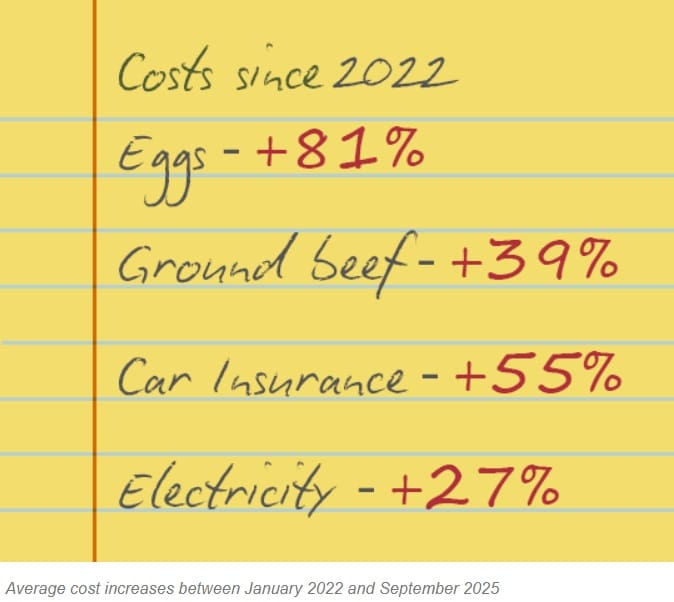
It’s one thing to explain the need. Know what’s better? Showing it.
The above is perfect. People get it because they themselves have felt the ramifications of rising prices. Additionally, it tells the reader everything they need to know. Why do more people need Feeding America’s services and why are they asking for my donation? It’s all right there in one image.
Show impact
“Seeing is better than hearing” (Babylonian Talmud)
Here’s how Toys for Tots showed how donations grow during their matching campaign. Now I can see how much I’m actually donating and how my donor dollar goes farther.

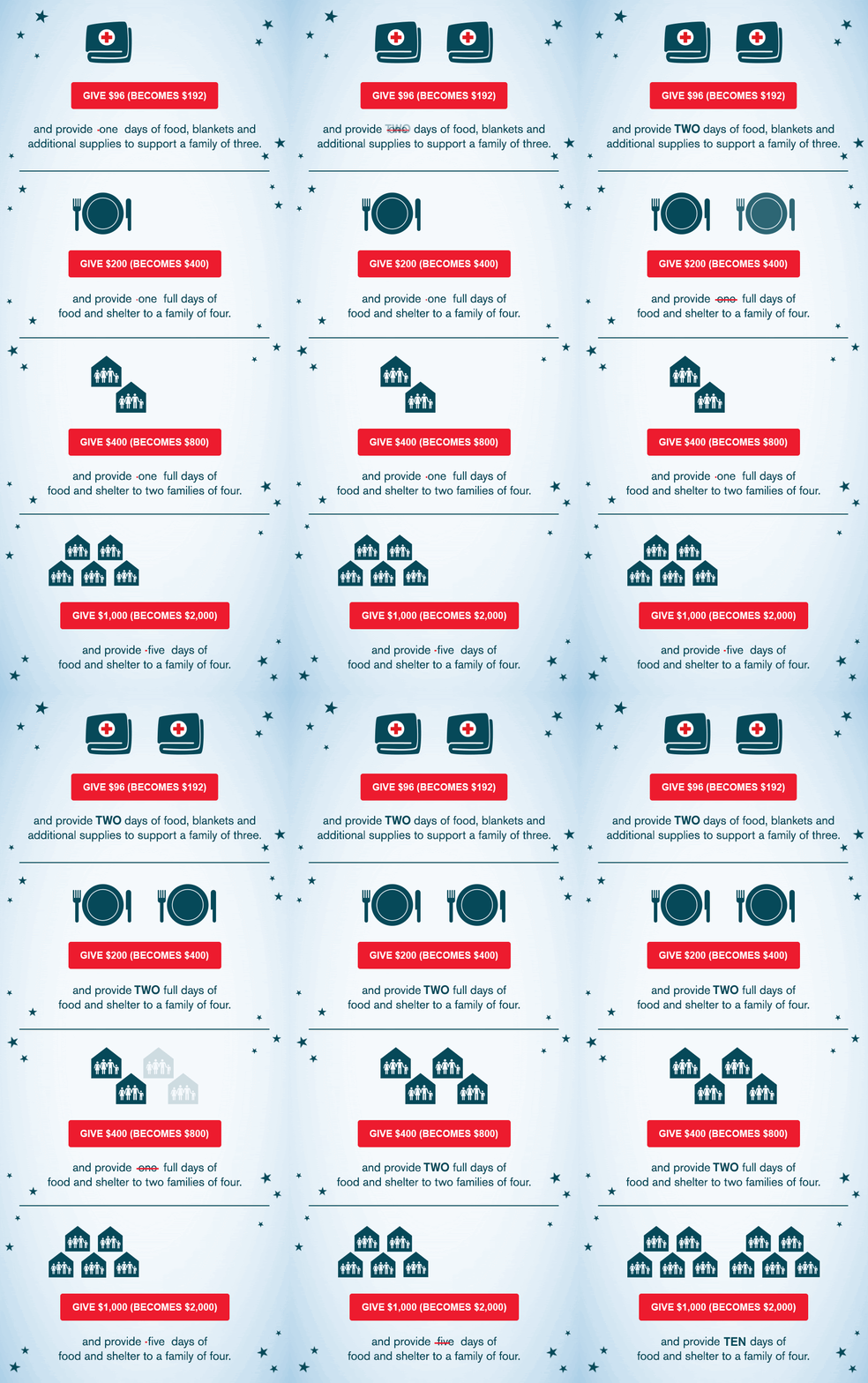
Here’s how the American Red Cross showed impact:
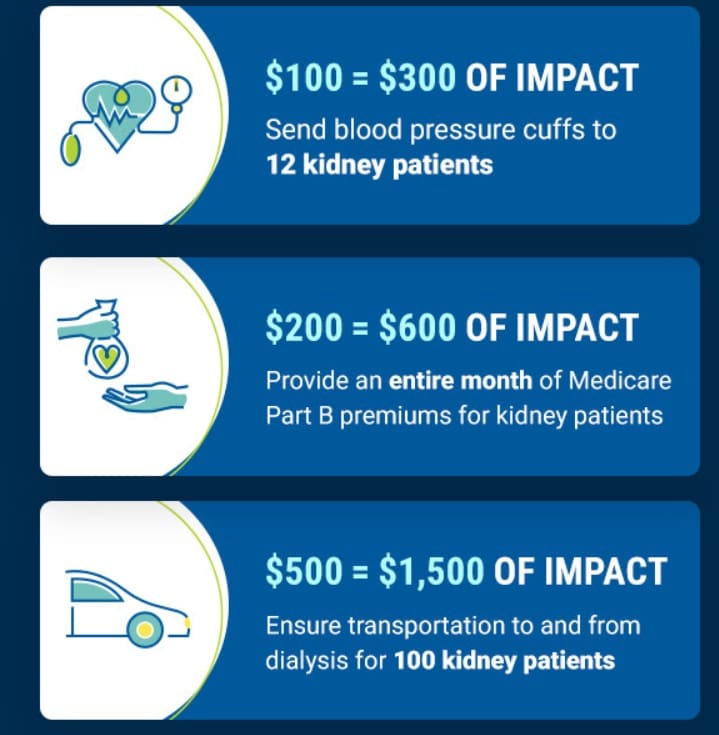
And this from the American Kidney Fund:
Loudon Free Clinic made it real simple:
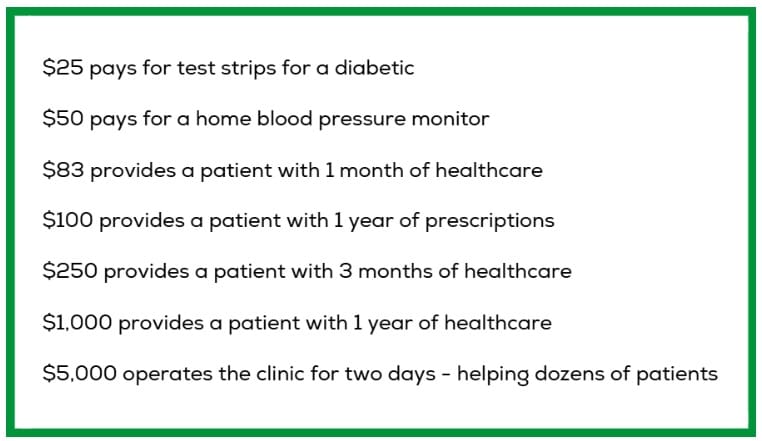
Use numbers, icons and words to explain the impact. You’ll raise more from more donors that way.
Curiosity works
The subject line from a Covenant House email: “What happens in 2035 starts this GivingTuesday”
In overflowing inboxes your subject lines have to stand out so they cause a person to consider opening your email. One way to boost opens is creating curiosity, which the above subject line does. It makes me wonder: How is today connected to ten years from now?
Good subject line.
Wanna learn how to write fundraising emails that convert? Purchase and download my 101 Email Fundraising Tips ebook today! (And with it you can also buy my 101 Email Content Ideas that are NOT a Fundraising Ask ebook)
Let them opt out
Thanksgiving. Giving days. Giving Tuesday. Year-end.
Your subscribers hear a lot from you in November and December. Some of them don’t have the ability to give a donation this year, which is OK. Rather than hassle them, meet them halfway.
In a GT email P.S., Community Solutions added this: “Prefer not to receive fundraising emails this year? Click here to opt out.” You click the link and their system adds you to its “do not email fundraising asks” list.
I like this! They know a pain point of their readers (they may not be able to give this year and receiving asks hurts because they want to give but can’t) and they are providing a solution.
In all their GT emails, Planned Parenthood added this P.S.: “We need your generosity more than ever- the future of our reproductive freedom depends on it. But if you aren’t in a place to give this year or already made your year‑end gift, we understand that. If you’d like to receive fewer messages from us for the rest of the year, you can submit a request here.”
The world won’t end if you let people opt out of your year-end fundraising emails. In fact, I believe they’ll remember you did them a favor. Fundraising is a two-way street and this is one way to address a subscriber’s pain point.
Love it!
Open Table didn’t just announce a $100,000 match campaign from the Gilson Family Foundation. The email announcement included this:
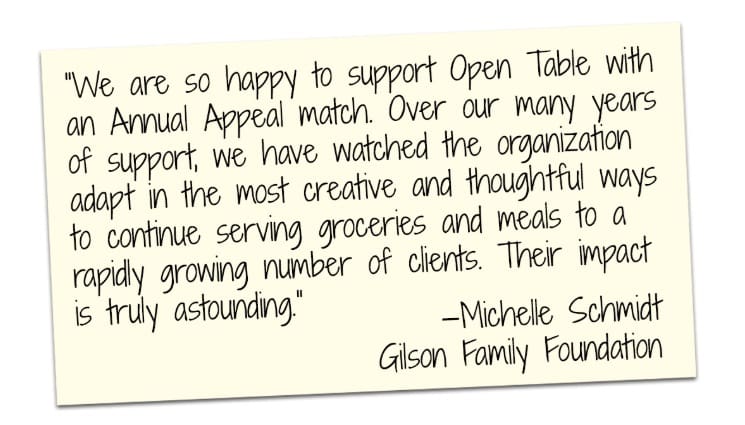
Social proof!!! Perfect.
Shoutout corporate sponsors
Kudos to the American Red Cross who gave a shoutout in their GT emails to Coca Cola and others for their generous support (as part of their matching campaign). If the donor allows, absolutely give them a shoutout in your fundraising emails.
GREAT gratitude
I included their email in last year’s review and I’m doing it again this year.
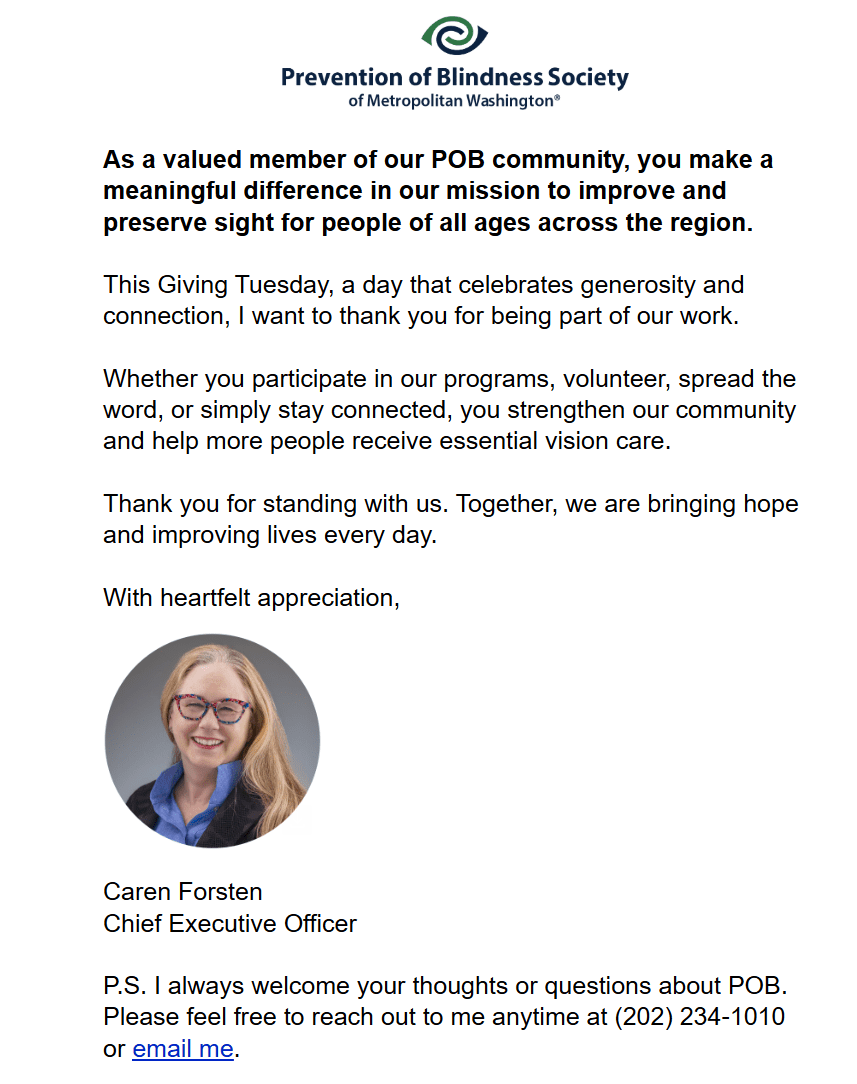
I am a HUGE fan of doing Gratitude Tuesday- instead of asking for money, spending the day getting in touch with supporters and genuinely thanking them.
The above email- sent on GT- from the Prevention of Blindness Society CEO is perfect. It’s warm, genuine, heartfelt gratitude.
And the P.S.? Perfect. THAT’S how you build relationships! (FYI: Last year and this year I emailed Caren to tell her how much I appreciated their GT email. Both times she responded!)
No space between donor and beneficiary
Harborlight Homes added this in a GT email:
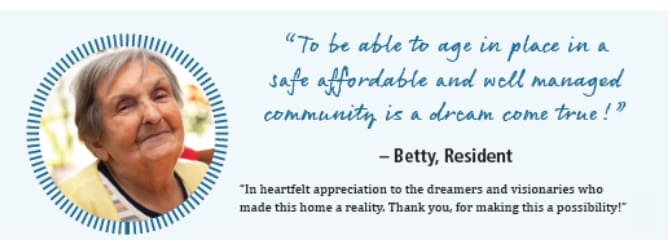
I like using this testimonial from a resident in their email. It allows readers to see one of the people they’ll be impacting.
Placement: Harborlight placed this at the bottom of the email (below the signature of the sender). I would’ve moved it up towards the center of the email for maximum impact.
What do you think?
Feed the Children ran a one hour only 16x match. (Yes, 16x!)
Mutual Ground ran both a lunchtime and dinnertime match campaign to help increase donations.
The idea is an interesting one. Mutual Ground announced that they met their lunchtime campaign. But because they are restricted in terms of time available, do they work?
Organizations have a very short window to get the word out (email, text, social media) and mobilize people to give in that tiny space of time. What do you think about these types of campaigns?
And finally…
For the last three years Feed the Children has used this picture as part of its GT campaigns:

I thought it was perfect. You know who you’re helping, how much to give and the impact. Simple and straightforward. This year they chose not to use this picture.
I miss it.
Are you a staff member at a growing nonprofit (budget below $5 million)? Want to learn how to fundraise successfully in 2026 and beyond?
Then attend the How Do I online conference on January 20 and 21! 8 fundraising experts will teach you step by step the strategies, best practices, practical advice and how to fundraise. Attend, learn and implement what you learn right away at work!
Buy your ticket/s today (discounts available for more than 1 ticket)!
Here’s a list of the sessions: